
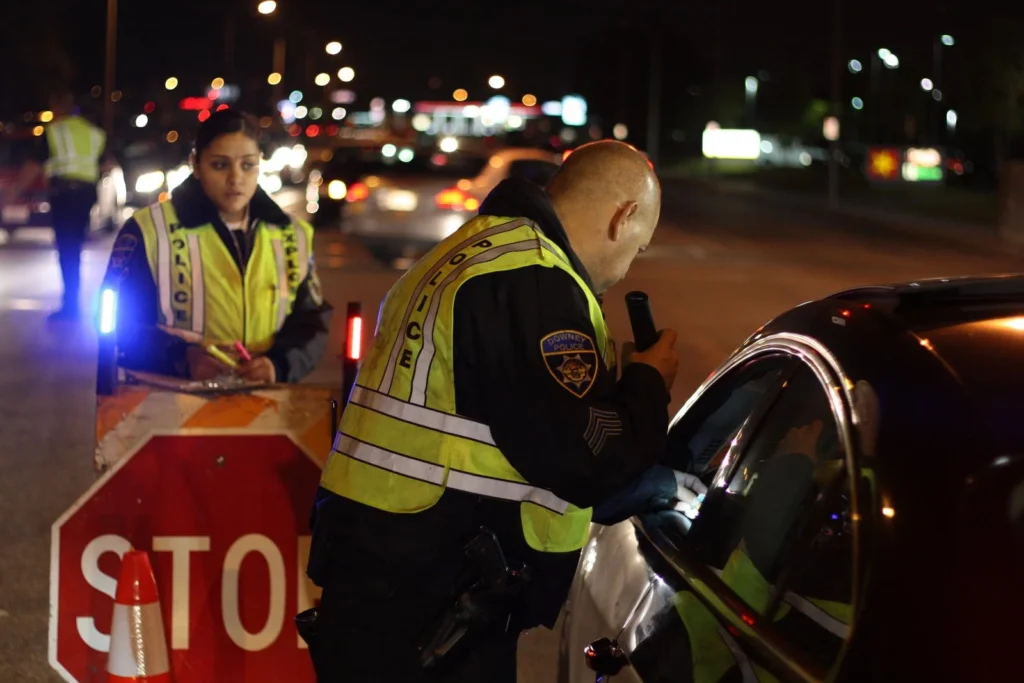
Every year, more than 10,000 people in the U.S. die in crashes caused by drunk driving. Anything sensible that lowers that number is worth doing. A new study shows that Utah’s tougher rule on drinking and driving has led to fewer alcohol-related crashes. The study comes from the Insurance Institute for Highway Safety (IIHS), and its results could push other states to follow Utah’s lead.
What Utah Changed
In December 2018, Utah became the first state to lower the legal blood alcohol limit for drivers from 0.08% to 0.05%. It is still the only state with this lower limit. In the four years after the change, alcohol-related crashes in Utah fell by almost 9%.
IIHS President David Harkey said the risk of a crash goes up the more you drink, and it jumps sharply at 0.05%. He said the lower limit is backed by science and sends a clear message: driving “buzzed” is the same as driving drunk.
This is a big change from the past. In the 1980s, some states allowed limits as high as 0.15%. Many states later used 0.10%, and in 2005 the U.S. Department of Transportation made 0.08% the national standard.
How the Study Worked
Earlier studies didn’t give a clear answer, so IIHS researchers took a closer look. They used police crash reports, positive alcohol tests that were added to reports later, and crashes where drivers refused to take an alcohol test. The data was studied by IIHS researcher Angela Eichelberger and independent researcher Scott Tippets.
They compared Utah’s alcohol-related crashes before and after the new law. They also compared Utah with Arizona, Idaho and Colorado. Next to those three states, Utah’s share of alcohol-related crashes dropped by 12% to 21%.
Harkey said other states should pay attention to these results and use every tool they have, including lower alcohol limits, to save lives.
One thing makes the results harder to read: Utah already had one of the lowest rates of alcohol-related crashes in the country before the law changed.
Other Ways to Fight Drunk Driving
Drunk driving is still a big problem in some states. A 2024 study by the Simmrin Law Group found that South Carolina, Texas, New Mexico, Wyoming and Montana had the most drunk-driving deaths. Utah had the lowest share of alcohol-related deaths, so the state with the smallest problem also has the strictest law.
Officials are also trying other ideas. One debated proposal is a bill that would require new cars to have technology that detects a drunk driver and stops the car from being driven. It sounds simple, but there are problems. People worry about how much personal data cars would collect. More importantly, the National Highway Traffic Safety Administration (NHTSA) says the technology doesn’t exist yet.
Utah’s results are promising, but more research is needed to see whether a lower limit would work as well in states where drunk driving is a bigger problem. For now, lowering the alcohol limit seems more practical than waiting for cars that can tell whether their drivers are sober.
Sounds like very effective way to handle Drunk Drivers and saving precious lifes.