
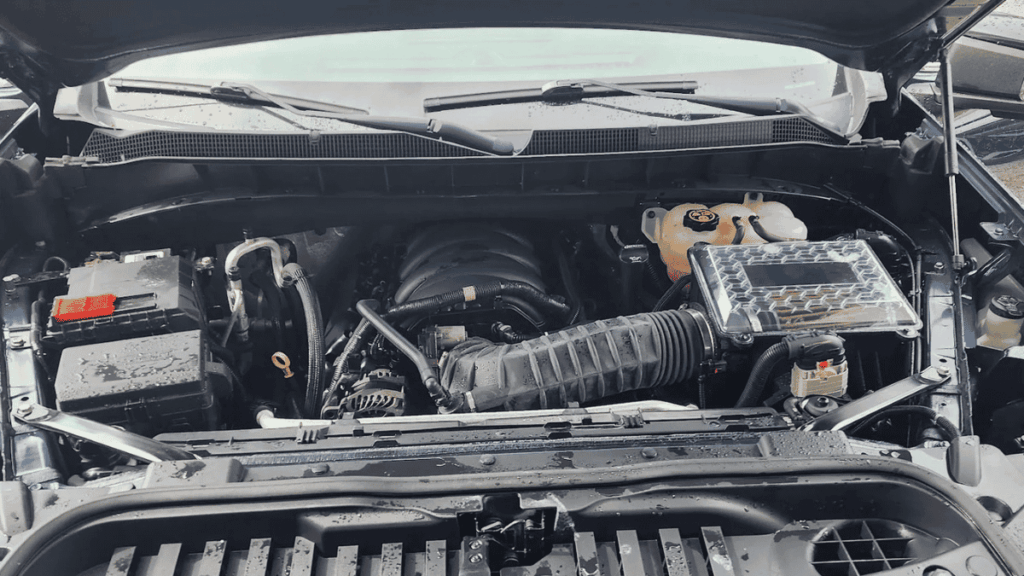
If you drive a Chevy Silverado, GMC Sierra, Tahoe, Yukon or Cadillac Escalade with the big 6.2-liter V8, there’s a federal safety investigation you’ll want to keep an eye on.
The National Highway Traffic Safety Administration is looking into engine failures in GM trucks and SUVs with the L87 6.2L V8. The big concern: some engines are reportedly still failing even after owners got the recall repair.
How We Got Here
In April 2025, GM recalled 597,571 trucks and SUVs from the 2021 to 2024 model years with the L87 engine. The problem involved internal parts, the connecting rods and crankshaft, that could get damaged and cause the engine to fail. Engine failure can mean a sudden loss of power while driving.
The recall covered these models:
- Chevrolet Silverado 1500, Tahoe and Suburban
- GMC Sierra 1500, Yukon and Yukon XL
- Cadillac Escalade and Escalade ESV
The fix depended on what dealers found. If an engine failed inspection, dealers repaired or replaced it. If it passed, they switched it to a thicker 0W-40 engine oil and installed a new oil filter and oil-fill cap.
Why Regulators Are Taking Another Look
After the recall, NHTSA started getting reports of engines failing anyway.
In February 2026, the agency opened a “recall query” to look at whether the fix was working. At that point, it had received 139 reports of L87 engine failures. One of its main questions was whether simply switching to thicker oil was an effective fix.
Then in August 2026, NHTSA upgraded the case to an engineering analysis, a more serious step. According to reporting on the investigation, it now covers an estimated 997,743 vehicles from the 2021 through 2026 model years. That includes newer engines built after the original recall period.
NHTSA has received hundreds of complaints of engines failing after the recall repair, including failures in some trucks that had already gotten a brand-new engine. Reports say NHTSA has now given GM a November 13 deadline to hand over its records on engine failures.
Has Anyone Been Hurt?
According to NHTSA’s investigation filing, there’s been one reported crash or fire incident and one reported injury, with no deaths. The filing doesn’t confirm that the engine problem caused either one.
What This Means for Owners
An investigation isn’t a recall. NHTSA hasn’t ordered a new recall yet. But engineering analyses can lead to bigger recalls if regulators decide the original fix wasn’t enough.
Warning Signs to Watch For
GM’s recall filing listed possible signs of trouble:
- Knocking or banging noises from the engine
- A check engine light
- Hesitation or loss of power
- High RPMs or unusual shifting
- The engine won’t start
If you notice any of these, get your vehicle to a dealer quickly.
What You Should Do
- Check your VIN at nhtsa.gov/recalls to see if your vehicle is part of the 2025 recall.
- Get the recall repair done if you haven’t already. It’s free.
- Keep every service record, especially proof of the recall work and your oil changes. If your engine fails later, those records matter.
- Report problems to NHTSA at nhtsa.gov if your engine fails after the recall repair. Owner complaints are what got this investigation started.
Sources