
Most people love “falling back.” You get an extra hour of sleep on Sunday morning, and for a few days it’s a little easier to get up for work.
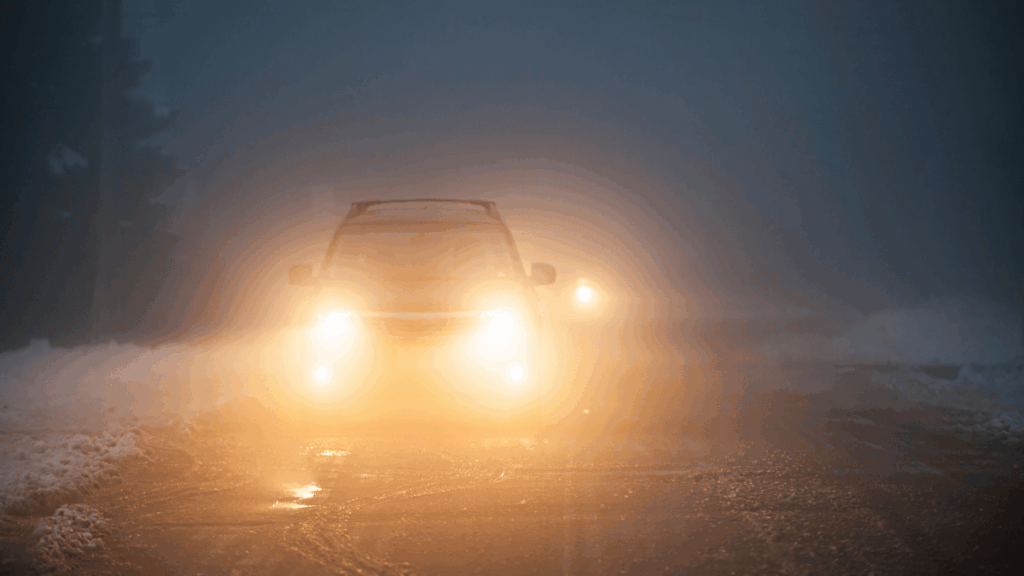
But on the road, the end of daylight saving time brings real risks. Suddenly, a lot of us will be driving home in the dark, and that change catches drivers off guard every year.
Daylight saving time ends at 2 a.m. on Sunday, November 1, when clocks go back one hour. Here’s what changes and how to stay safe.
Your Evening Commute Is About to Go Dark
The biggest change is how fast the evenings get darker. “Drivers can expect a noticeable change in their commute almost overnight,” said AAA spokesperson Megan Cooper.
That matters most for people walking. According to the AAA Foundation for Traffic Safety, pedestrian deaths in the U.S. have climbed since hitting a historic low in 2009, and almost all of that increase has happened in the dark, mostly on busy city roads. Research from the Insurance Institute for Highway Safety has also found that pedestrian deaths rise when standard time returns.
In other words, many people walking home from work or school this week will be doing it in darkness for the first time in months, and drivers aren’t used to looking for them yet.
Mornings Bring a Different Problem: Sun Glare
Mornings will be brighter for a while, but that brings its own challenge. A low sun can hit your windshield right as you’re driving to work, making it hard to see cars, traffic lights and people in crosswalks.
Drowsy Driving Is a Real Risk
Changing the clocks can throw off your sleep for days, even when you “gain” an hour.
Drowsy driving is more dangerous than many people think. According to NHTSA, 644 people were killed in drowsy-driving crashes in 2024. And experts say the real number is likely higher, because it’s hard for investigators to prove someone was drowsy after a crash.
In New York alone, police reported 3,371 crashes in 2025 where fatigue or a driver falling asleep was a factor, according to preliminary state data.
“Driving while fatigued or drowsy can impair a driver’s ability just like being under the influence of drugs or alcohol,” said New York DMV Acting Commissioner Christian Jackstadt.
Young drivers are especially at risk. According to the National Sleep Foundation, people ages 18 to 29 are the most likely to drive drowsy. The foundation’s Drowsy Driving Prevention Week runs from November 1 to 7.
Warning Signs You’re Too Tired to Drive
- You keep yawning or can’t keep your eyes open
- You can’t remember the last few miles
- You drift out of your lane or hit the rumble strip
- You miss exits, traffic signs or signals
- You find yourself tailgating
If any of these happen, pull over somewhere safe and rest. Rolling down the window or turning up the music won’t fix it. Caffeine can help a little, but it takes about 30 minutes to kick in and doesn’t last long.
How to Stay Safe This Week
For evening drives:
- Check that all your lights work: headlights, taillights, brake lights and turn signals.
- Replace cloudy or yellowed headlight covers. They can cut how far you can see.
- Slow down and leave more space between you and the car ahead.
- Watch closely for people at crosswalks, bus stops, intersections and along the shoulder.
For morning drives:
- Keep sunglasses in the car and use your sun visor.
- Clean your windshield inside and out. A dirty windshield makes glare much worse.
- Give yourself extra following distance when the sun is in your eyes.
If you walk or bike:
- Wear something bright or reflective, and carry a light after dark.
- Cross at crosswalks and make eye contact with drivers before stepping out.
The time change only happens once, but it takes all of us a week or two to adjust. Drive like you know that, and you’ll make the switch safely.
Sources